Why AI uses so much energy — and what we can do about it
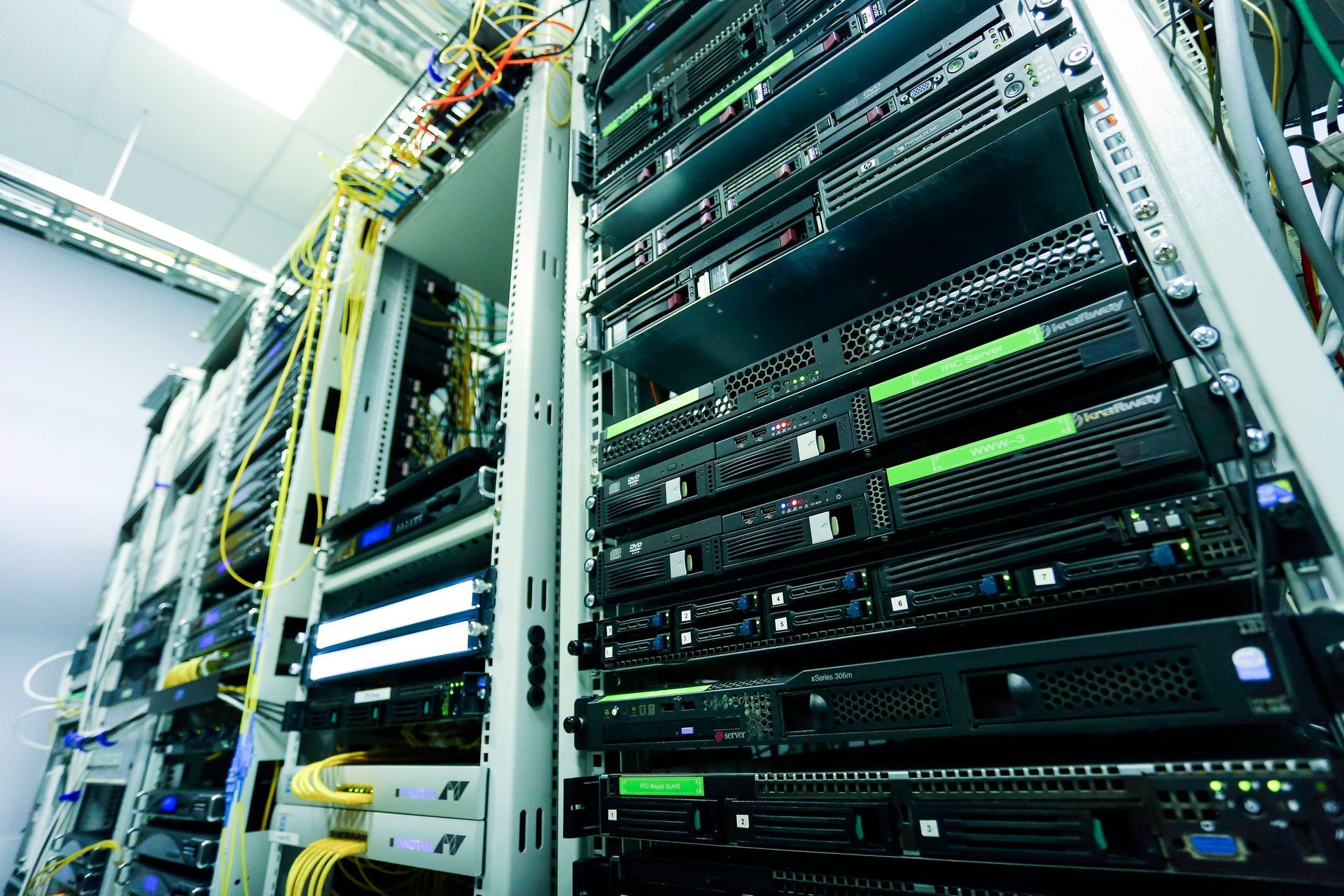
Artificial intelligence is transforming industries and creating new opportunities, but it also comes with a growing energy demand. As AI systems become more advanced, they require significant computing power to train models and process data, leading to increased electricity consumption in data centers. According to researchers, data centers already account for a notable portion of U.S. electricity use, and that demand is expected to continue rising as AI adoption expands.
The environmental impact extends beyond electricity. AI infrastructure also requires large amounts of water for cooling and contributes to electronic waste as hardware is upgraded and replaced. Training large AI models is particularly resource-intensive because it relies on thousands of high-performance processors working continuously for extended periods.
Reducing AI’s environmental footprint will require a combination of strategies, including developing more efficient AI models, improving data center operations, investing in energy-efficient hardware, and increasing the use of renewable energy sources. Researchers are also exploring specialized AI models designed for specific applications, which can achieve strong performance while requiring fewer computational resources.
As AI continues to evolve, balancing technological advancement with energy efficiency and sustainability will be essential to ensuring long-term benefits for both industry and the environment.