The interdependence of two critical resources: Energy & Water
Energy and water are deeply and fundamentally connected
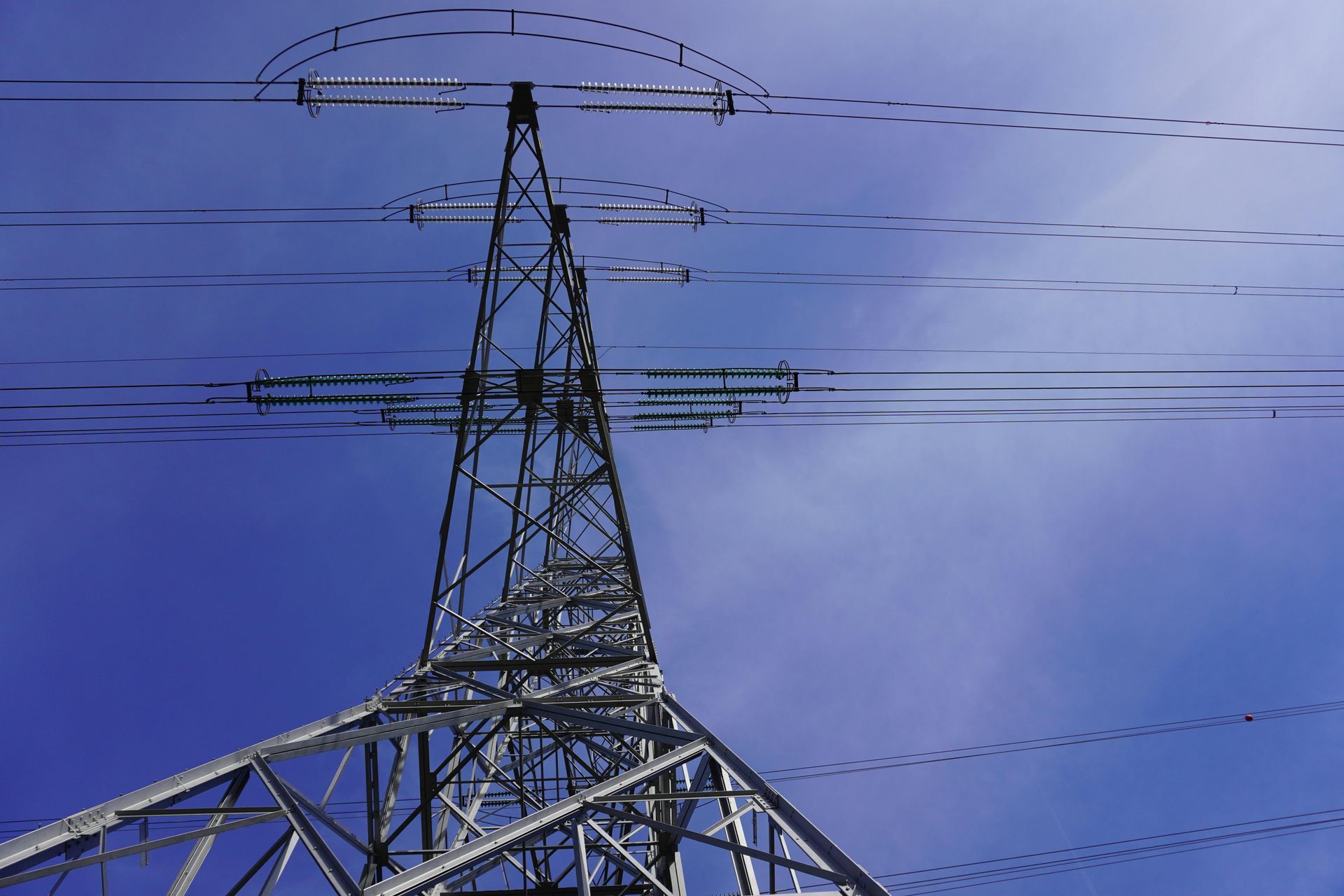
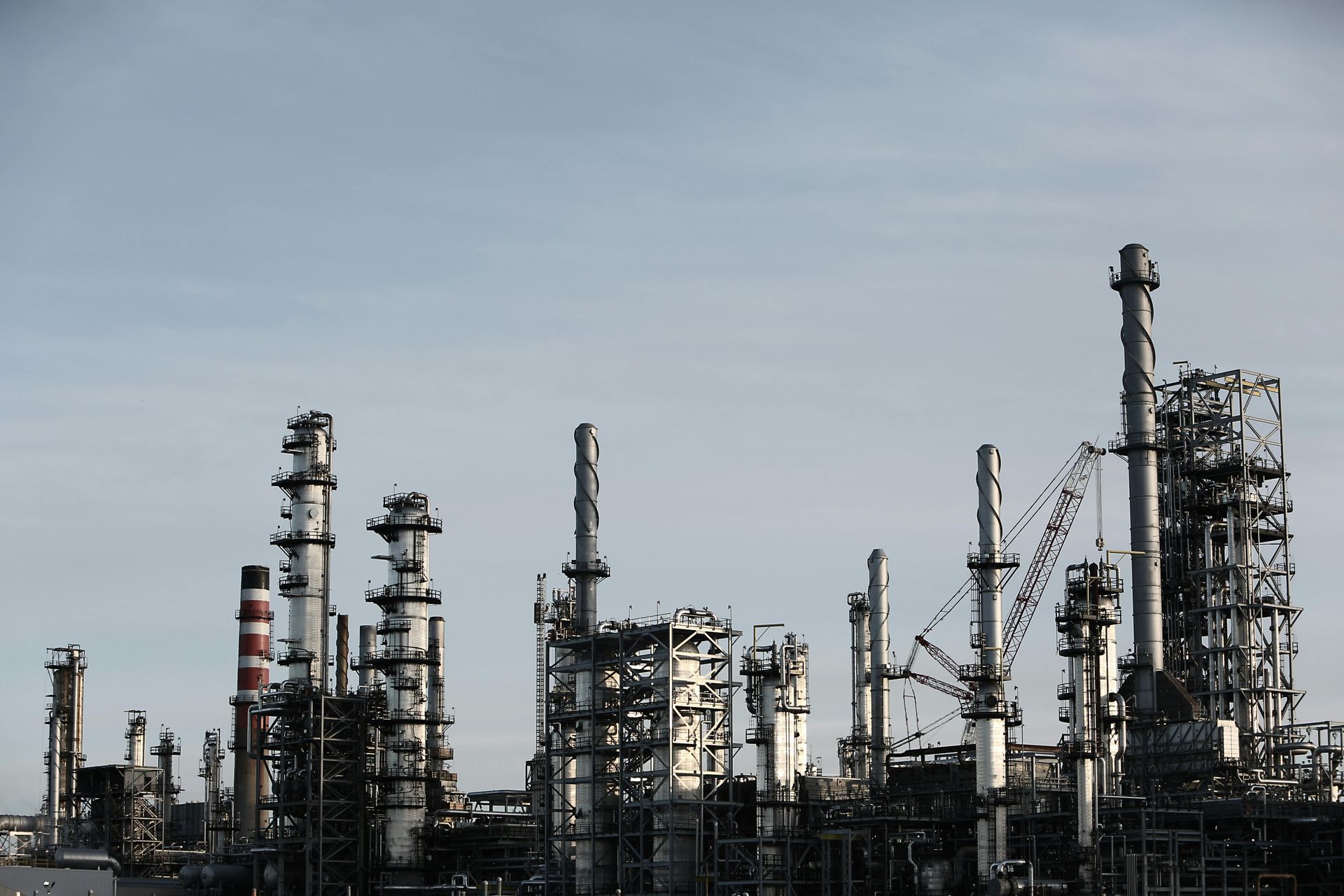
Water is essential for almost every aspect of producing energy, from electricity generation to fossil fuel extraction to biofuels cultivation. In fact, the energy sector accounts for roughly 10% of all global freshwater withdrawals. Meanwhile, energy is crucial to maintaining global water supply. It is needed to extract water from lakes, rivers and oceans; lift groundwater from aquifers and pump it through pipes and canals; and treat water and deliver it to users.
This interdependence is set to intensify in the coming years. Each resource faces rising demand and growing constraints in many regions because of economic and population growth, as well as climate change. This has significant implications for ensuring both energy and water security.
Energy demand for water desalination is poised to double to 2030
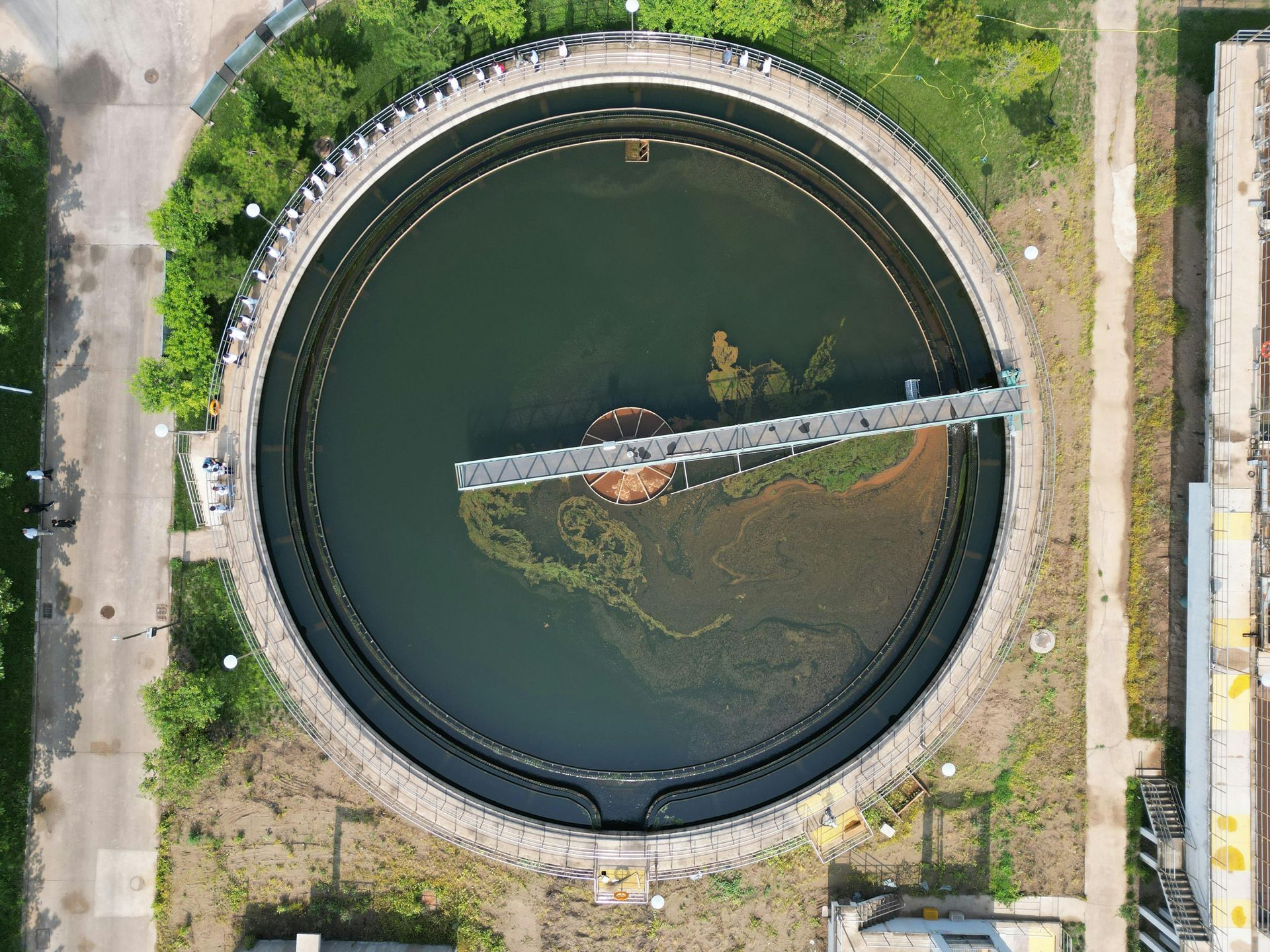
Almost all of the world’s water demand is met by groundwater and surface water. However, water stress has led to an increase in the use of non-traditional resources, such as saltwater. This requires desalination, the process of separating saline water (seawater or brackish water) into freshwater and concentrated salt.
Global energy demand for desalination has nearly doubled since 2010, and current trends point to another doubling to 2030. Some 21,000 desalination plants currently operate in about 150 countries, from the United States and China to Sub-Saharan Africa and Southeast Asia – though half of global installed capacity is located in the Middle East and North Africa.
Renewables can help ease the energy sector's water problem
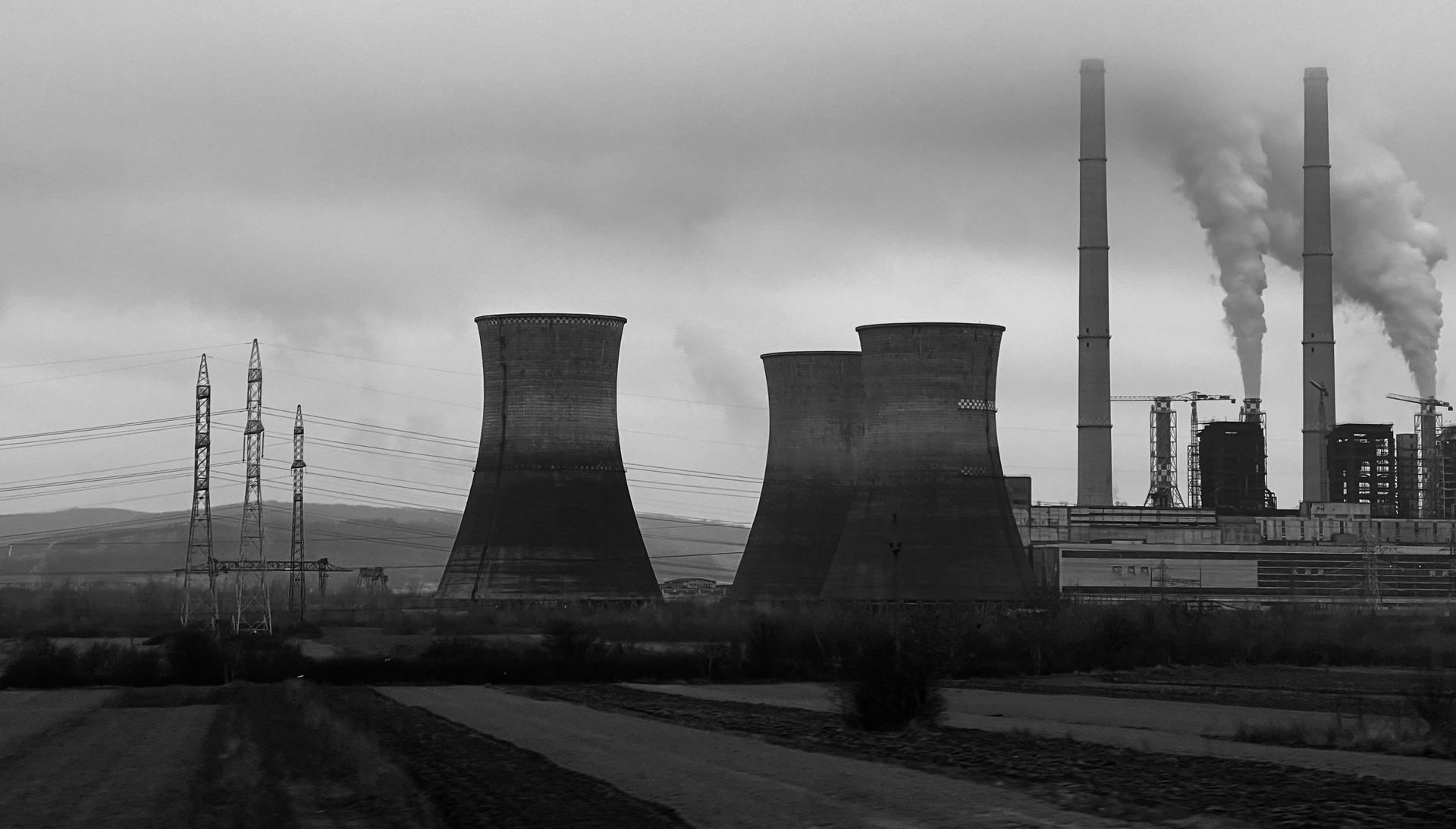
In a scenario in which global energy sector emissions reach net zero by 2050, water withdrawals by the energy sector decline by almost 20 bcm by 2030. The biggest reductions happen in the power sector, where withdrawals fall nearly 15% as coal-fired power generation is quickly replaced by solar PV and wind. Greater energy efficiency also plays an important role in reducing the volume of water needed to meet global energy demand.
Source: IEA